
Hyperactivity: Measures That Can Help
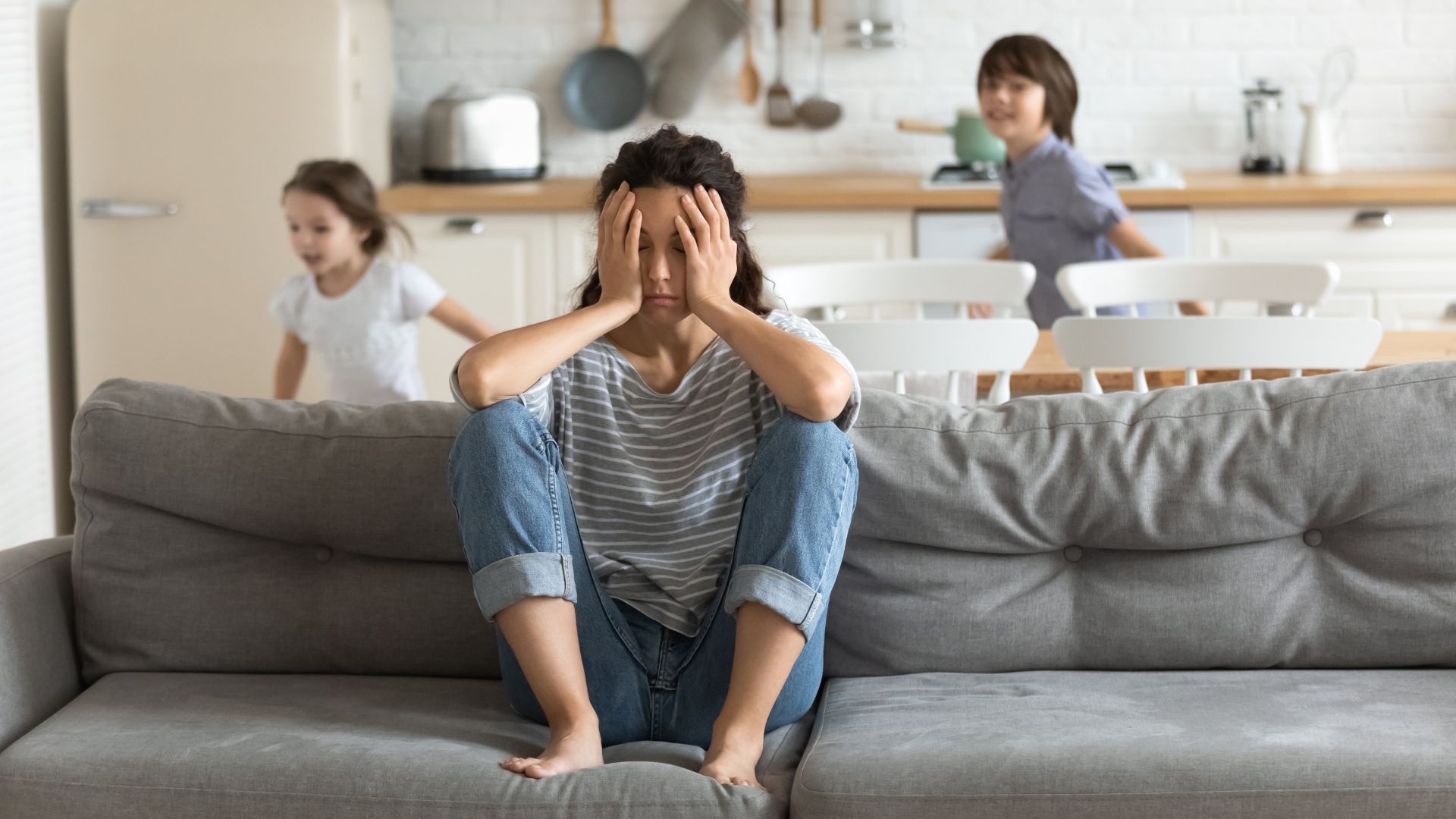
Hyperactivity is a topic that concerns many parents. But before thinking only about medication, it’s important to remember that there are many other strategies that can help balance a child’s body and mind.
In integrative pediatrics, we look at the child as a whole — and we believe that small changes in lifestyle, nutrition, and daily routines can have a major impact on their well-being.
1. Omega-3 Supplementation
Omega-3 fatty acids, especially DHA and EPA, are essential for healthy brain function. Several studies show that omega-3 supplementation may improve concentration, reduce impulsivity, and help balance mood in children with hyperactivity symptoms.
Natural sources include oily fish (such as salmon, sardines, and mackerel), flaxseeds, and chia seeds. When diet alone is not enough, supplementation may be needed, always under medical guidance
2. Minerals and Vitamins
Certain nutrients are essential for neurological function and behavioral regulation:
- Iron and zinc: low levels are associated with increased restlessness and attention difficulties.
- Magnesium: helps regulate the nervous system and supports sleep quality.
- B vitamins: essential for brain metabolism and emotional balance.
Laboratory and nutritional assessments can help identify possible deficiencies and guide appropriate supplementation.
3. Dietary Changes
Modern diets rich in sugar, processed foods, artificial colorings, and additives may increase inflammation and affect behavior.
Choosing a diet rich in fruits, vegetables, quality proteins, and healthy fats can help stabilize mood and energy levels.
4. Homeopathy and Homotoxicology
In some cases, homeopathic or homotoxicological treatments may be considered with the aim of naturally balancing the body and stimulating self-regulation.
These therapies should always be guided by a physician trained in these areas and integrated into a comprehensive treatment plan.
5. Regular Physical Activity and Contact with Nature
Children need movement. Physical activity is essential for releasing energy and regulating the nervous system. Sports, running, cycling, or simply playing outdoors can improve attention, sleep, and mood.
Contact with nature has a calming and restorative effect — it is a true “green vitamin”
6. Reducing Screen Time
Excessive screen time overstimulates the nervous system and is associated with greater irritability, impulsivity, and difficulty falling asleep.
Setting clear time limits and screen-free periods, especially before bedtime, is essential for emotional and cognitive balance.
7. Routine and Sleep Quality
Sleep is one of the most important pillars of childhood balance. Children need a predictable routine and a calm environment for sleep.
Avoiding screens at night, maintaining regular schedules, and creating a bedtime ritual help the brain rest and reorganize itself.
8. Teaching Emotional Regulation
Hyperactive children often feel emotions intensely. Learning to identify and name emotions — sadness, anger, frustration, joy — is an essential step toward managing them.
Talking, drawing, deep breathing, hugging… these are small tools that teach self-awareness and emotional self-regulation.
9. Quality Time with Our Children
Family time is one of the most powerful ways to balance behavior. It doesn’t need to be long — it needs to be present and genuine.
Playing together, reading a story, cooking, talking… these moments build security and connection.
10. Yoga, Breathing, and Mindfulness
These practices help children increase body awareness, improve concentration, and calm the mind. They can be introduced in a playful way — through games, simple poses, and breathing exercises.
Even a few minutes a day can make a difference
11. Reducing Exposure to Environmental Toxins
Avoiding pesticides, BPA-containing plastics, artificial fragrances, and harsh cleaning products is important to reduce the body’s toxic burden.
Children’s bodies are more sensitive — and the fewer unnecessary chemicals, the better their overall balance.
12. Aromatherapy
Some essential oils may help relaxation and focus. Lavender and sweet orange are gentle calming oils, while rosemary and peppermint may support concentration.
They should be used safely and preferably with professional guidance.
13. Psychological Support and Occupational Therapy
In some cases, support from a child psychologist or occupational therapist can be essential.
These therapies help children develop emotional, social, and self-regulation skills, complementing medical care.
In Summary:
Hyperactivity should not be seen only as a “problem,” but as a sign that something in the body, emotions, or environment may need rebalancing.
An integrative approach offers tools to restore that balance — through science, nature, and empathy. Because caring for a child is much more than treating symptoms — it is helping them flourish.